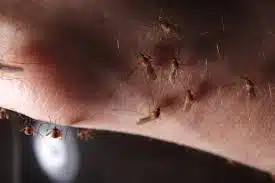
Summer bites could be your regular ordeal this summer. After all, summer is mosquito season. These insects might be annoying, but they are also dangerous. Mosquitoes carry fatal diseases, and repelling them is a priority.
Yearly Assessment
Every year, entomologists notice variations in mosquito populations every year, in different places. Some areas are overwhelmed by mosquitoes. Others have low populations. Studies show that these insects are sensitive to their environment. Climate and weather both impact the way mosquitoes behave.

When It Is Warm and Wet
Research shows that mosquitoes are ectothermic. The body temperature of these insects depends on the environment’s temperature. Cold weather makes them cold. Hot weather makes them hot. If they spend time outside their comfort zones, they stop developing. They then get injured easily and die.

Their larvae must thrive between seven and 16 degrees Celsius. The larval stage is the aquatic stage of mosquitoes. They need standing water. These wrigglers will stay there until they can provide summer bites. A dry or cold condition at the right time of larval development can reduce the number of adult mosquitoes. One or two weeks later, there will be a drastic reduction in the number of adult mosquitoes looking for a blood meal.
Cities Affected by A Mosquito Boom
Scientists believe the urban locations this summer for large mosquito populations. These areas seem to be more attractive to these insects for summer bites. Below are the top 25 cities they perceive to have the most mosquitoes during the summer of 2025:
- Atlanta, Georgia
- Chicago, Illinois
- Los Angeles, California
- Detroit, Michigan
- New York, New York
- Washington, D.C.
- Dallas, Texas
- Houston, Texas
- Miami, Florida
- Cleveland, Ohio
- Philadelphia, Pennsylvania
- Denver, Colorado
- San Francisco, California
- Raleigh-Durham, North Carolina
- Indianapolis, Indiana
- Charlotte, North Carolina
- Tampa to St. Petersburg, Florida
- Orlando, Florida
- Nashville, Tennessee
- Baltimore, Maryland
- Minneapolis, Minnesota
- Grand Rapids, Michigan
- Greenville, South Carolina
- Oklahoma City, Oklahoma
- Columbus, Ohio
The mentioned cities are suffering more this summer due to their higher temperatures. They are also found near large bodies of water. Some of them are man-made rivers, lakes, concrete channels, man-made rivers, canals, reservoirs, and creeks. Female mosquitoes lay eggs in stagnant water, leading to an increase in summer bites around these places.

Managing Mosquitoes
The Centers for Disease Control (CDC) states that mosquitoes can increase your risk for serious illnesses. Reports show that summer bites from these insects lead to more deaths every year than any other animal. Ailments like Zika and dengue are strong examples. The following are the CDC’s recommendations to avoid summer bites:

- Wear light-colored, loose clothing. The goal is to cover your arms and legs from summer bites.
- Use an effective insect repellent. Reapply when necessary.
- Install screen doors and netting around the porch. Protect your entryways to prevent mosquitoes from entering your home.
- Consider using citronella candles and coffee grounds as mosquito repellents. These substances are safe for pets and kids.
- Empty water-collecting containers in the yard. Clean them and turn them over.
- Always keep hedges and grass trimmed. These areas can harbor mosquitoes.
Summer bites are annoying. They can also be dangerous. Mosquitoes are known carriers of fatal diseases. Protect yourself and your family this year and every year. Preventing mosquito-borne diseases is easier than treating them.
