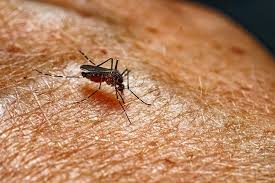
Preventing mosquito bites is vital even as the fall and winter seasons arrive. Mosquitoes are still active during the cold months. Being aware that these mosquitoes are out there is half the battle won. Treating mosquito bites can prevent complications.
Prevent the Bites
Studies show that mosquitoes never really go away during the cold months. They are less active during the fall and winter, when the temperature goes below 50 degrees Fahrenheit. The lifecycle of these insects continues. Some species overwinter to survive the winter temperatures. The eggs will enter diapause until the right conditions persist, allowing them to develop further. Scientists say that a hard frost occurs when temperatures go below 28 degrees Fahrenheit lasts for two hours straight. This level of cold can kill mosquitoes. Here are some tips on preventing mosquito bites this fall and winter:
- Always apply an effective bug repellent on your skin (DEET, picaridin, oil of lemon eucalyptus, IR3535, 2-undecanone, para-menthane-diol)
- Avoid fragrances
- Wear loose-fitting, light-colored clothes
- Remove standing water in and around your home
- Place a fan directly in front of you
- Wear long sleeves and long pants
- Use air conditioning
- Install screens on the doors and windows
- Clean your gutters
- Clean your birdbaths
- Install a water feature or aerator in your pond
- Encourage mosquito eaters to visit your yard (lizards, birds, frogs, etc.)
- Keep the swimming pool well-treated
- Put sand in your plant trays
More About Prevention
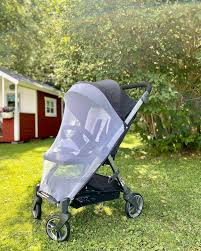
Insecticides can kill adult mosquitoes and their larvae. But studies show that many species of mosquitoes are developing an immunity to these chemical compounds. That is why more strategies against mosquitoes are physical barriers can prevent these insects from entering your space. You can check for and cover gaps in the windows, walls, and doors. Windows and doors can have screens. You can also cover beds and baby strollers with treated nets to keep mosquitoes away.
Tucking in your shirt into your pants and your pants into your socks can cover gaps. These gaps are spaces through which these insects can enter and bite you. Scientists also recommend staying indoors when mosquitoes are active—during dawn and dusk hours.

If you are going to visit a marsh or swamp, it is ideal to wear repellent-treated clothes. Always read the directions before using these products. Use head nets with your long pants and long-sleeved shirts. Yellow bulbs are not repellent lights. They just attract fewer mosquitoes.
Treat the Bites
Sometimes, preventing mosquito bites fails. Doctors recommend cleaning the bite area. Then, watch for signs of mosquito-borne diseases. Keep an eye on your symptoms. Visit your doctor if you start having chills, headaches, stomachaches, and fever. You might feel like you are about to have the flu or a cold. Rashes may start appearing in spots away from the bite areas. For minor mosquito bites, anti-itch cream and a cold compress can help with the healing. The following are some remedies for minor mosquito bites:
- Apply a cold compress to the bite areas for 5 to 10 minutes each day
- Make an oatmeal paste and apply it to the bite
- Place a small drop of honey on your bites
- Heat therapy on the bites can reduce itchiness
- Apply a baking soda paste on the bites and wash after 10 minutes
- Rub the gel of a fresh aloe vera leaf on the bite and let it dry before reapplying

Treating and preventing mosquito bites is vital to your health. All it takes is just one bite, and you can acquire a deadly mosquito-borne disease. Preventing these bites is the most important way to stay healthy. Treating them early can prevent the onset of complications or mosquito-borne diseases.