New mosquito-borne disease records in Europe show warnings of chikungunya and West Nile Virus (WNV) outbreaks. This situation is becoming the new normal on the continent since Covid-19. These outbreaks call for a well-coordinated, aggressive response. The goal is to protect public health on the continent.
What is Happening
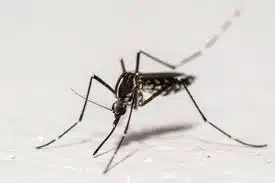
Presently, Europe is going through longer transmission seasons for the mentioned diseases. The weather and climate change is causing this dramatic shift. Factors like longer summers create an ideal environment for mosquitoes to survive and thrive. Scientists state that chikungunya is now an established mosquito-borne disease in 16 countries and 369 regions in Europe. This is a drastic change from only 114 European regions ten years ago.
As for the West Nile Virus, new mosquito-borne disease records have continued to change over the past 10 years. Infections keep rising. That is why experts expect WNV to spike in August or even September. There have already been reports in Frosinone and Latina (Italian provinces) and in Romania’s Sălaj County. Unfortunately, a vaccine against WNV is not available yet. That is why bite prevention is critical.

Expanding North
New mosquito-borne disease records of chikungunya resulted in an alert. There are new outbreaks of this disease in Europe and the Indian Ocean. There is a current outbreak in Foshan, China, affecting more than 8,000 individuals.
About 27 chikungunya outbreaks have already been reported in Europe. Seven infections in Italy and 111 infections in France have been confirmed. The first case has been noted in the Alsace region in France. This outbreak has started the northward spread of the chikungunya risk. Romania and Italy have reported their first cases of WNV. Officials have recorded the most cases in three years. They also expect these numbers to rise over time.
Preventing Mosquito Bites During Travel
The most effective way to prevent new mosquito-borne disease records from worsening is to prevent bites. Here are some ways to do so:
Before Travel
Always research the destination. Note the health risks and know how to reduce each. See a healthcare provider about four to six weeks before you leave. This is enough time to get proper travel advice. Specific countries require a Yellow Fever vaccination. Your provider may also give you some antimalarial tablets.
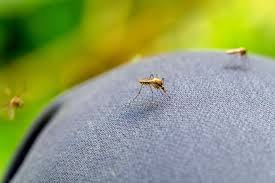
Get pre-travel information from your provider if you are planning to get pregnant, pregnant, or have existing health conditions. Do so, six to eight weeks before you leave. Preparation enables most pregnant women travel without issue.

Bite Prevention
The following are some effective ways to prevent mosquito bites at your destination:
- Apply EPA-approved mosquito repellent to exposed skin at all times of the day. Always follow instructions when using these repellents.
- Always reapply repellent after swimming and when staying in hot, humid countries.
- Bring insect repellents during your travels.
- Note that using sunscreen can reduce the effectiveness of the repellent.
- Use permethrin-treated bed nets and clothes to keep mosquitoes away.
Keeping new mosquito-borne disease records positive in Europe and in other areas is important. The most effective way to do so is to gather enough information and prevent bites. Staying well and safe in your destination country is vital. This habit keeps mosquito-borne diseases from entering new territories.